
Apparel Reimagined: Rolling vs. Folding—Why T-shirts and Scarves Look Better in Tubes.

Apparel Reimagined: Rolling vs. Folding—Why T-shirts and Scarves Look Better in Tubes
The apparel industry has spent decades refining fabrics, cuts, sustainability practices, and branding, while quietly overlooking one of the most powerful drivers of customer perception: packaging. As consumer expectations evolve toward conscious consumption, premium unboxing, and visual storytelling, traditional folding methods for garments such as T-shirts and scarves are increasingly seen as inefficient and outdated.
Wrinkles, inconsistent presentation, wasted space, and disposable materials undermine even the best-designed apparel. This is where cylindrical cardboard tube packaging fundamentally changes the way garments are presented, protected, and perceived.
By replacing folding with rolling, brands elevate the product experience, reduce material waste, and create packaging that supports both sustainability goals and commercial performance.
The Shift from Folding to Rolling in Modern Apparel Packaging
Folding has long been the default method for packaging apparel. Not because it is optimal, but because it is familiar. Folding introduces stress points in fabric, creates visible creases, and often requires additional layers such as plastic polybags or tissue paper to compensate for presentation flaws.
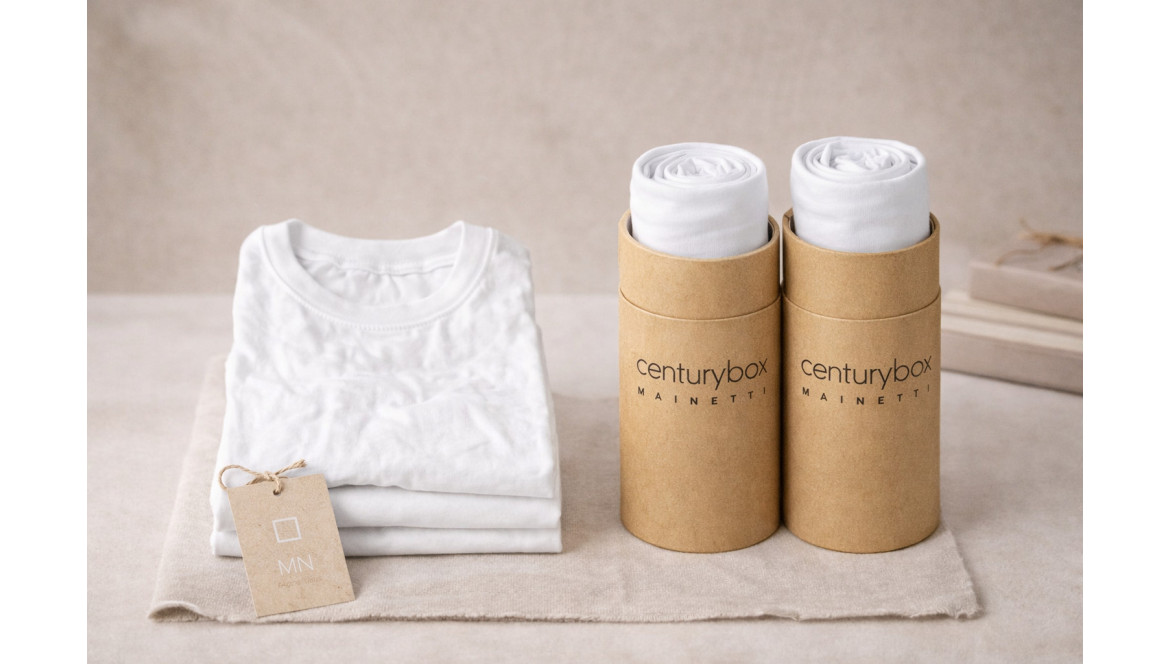
Rolling, by contrast, respects the natural behavior of textiles. When garments are rolled and placed inside rigid cardboard tubes, pressure is evenly distributed, fabric integrity is preserved, and presentation becomes consistent across every unit.
From a consumer psychology perspective, rolling communicates care and intention. Folding communicates speed and efficiency. In modern retail, care consistently outperforms efficiency when it comes to brand perception.
Understanding the Product: Sustainable Cardboard Tube Packaging
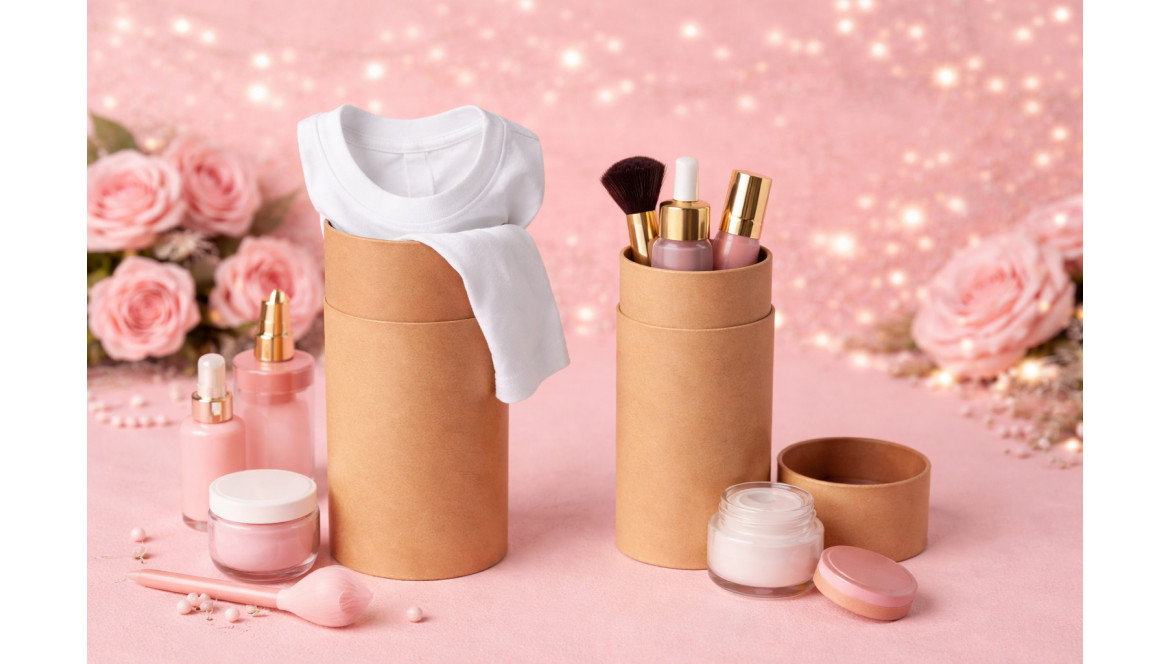
Cardboard tube packaging is a rigid cylindrical box manufactured from high-quality recycled cardboard. It is designed to be recyclable, reusable, and compatible with zero-waste packaging strategies.
Unlike flexible mailers or traditional folding cartons, cardboard tubes provide structural integrity. They protect apparel from crushing, deformation, and external pressure during transport, storage, and handling.
The smooth internal surface safeguards delicate fabrics, while the rigid exterior ensures consistent presentation from warehouse to end consumer.
Why T-shirts Look Better Rolled in Tubes
T-shirts may appear simple, but their presentation has a direct impact on perceived quality. Fold lines across the chest, distorted collars, and compressed sleeves immediately lower the perceived value of the garment.
Rolling a T-shirt eliminates sharp creases and preserves the garment’s natural form. Logos and prints remain intact, collars retain their shape, and the fabric appears ready to wear upon unboxing.
When removed from a tube, the T-shirt unrolls smoothly, creating a tactile and fluid first impression that reinforces product quality and brand credibility.
Why Scarves Benefit Even More from Cylindrical Packaging
Scarves are defined by flow, texture, and visual continuity. Folding disrupts patterns, compresses fibers, and increases the risk of creasing or snagging, especially for delicate materials.
Rolled scarf packaging inside a cardboard tube preserves drape, color gradients, and fiber integrity. The cylindrical format protects edges and prevents unnecessary friction during handling.
From a merchandising perspective, tubes allow scarves to be displayed vertically or photographed elegantly without repackaging, streamlining both retail and e-commerce workflows.
Use Case Scenarios with Lifestyle Correlation Storytelling
Consider the experience of receiving an organic cotton T-shirt ordered online. Instead of opening a plastic mailer filled with folded fabric, the customer opens a recyclable cardboard tube. The garment slides out smoothly, unwrinkled and intact.
The absence of excess materials, noise, and waste creates a calm, intentional moment. The packaging becomes part of the lifestyle the brand promotes, rather than a disposable afterthought.
For scarves sold as gifts, the tube itself becomes a keepsake. It remains useful long after the purchase, extending brand presence into the consumer’s daily life.
Targeting Business Niches That Benefit from Tube Packaging
Cardboard tube packaging is particularly effective for sustainable fashion brands, direct-to-consumer apparel companies, luxury basics labels, merchandise drops, corporate gifting programs, and subscription-based apparel services.
In each of these niches, packaging serves as a differentiator. The tube format enhances perceived value without adding unnecessary complexity to operations.
Zero-Waste, Recyclable, Reusable: Impact on the World
Modern consumers expect sustainability to be visible and tangible. Cardboard tube packaging supports zero-waste strategies by eliminating single-use plastics and reducing packaging components.
Because the tubes are reusable, their lifecycle extends far beyond the initial purchase. Many consumers repurpose them for storage, travel, or organization, keeping the brand present in their environment.
How Tube Packaging Solves Traditional Packing Problems
Traditional apparel packaging struggles with wrinkling, product shifting, void fill requirements, and low resistance to compression. These issues lead to higher damage rates and inconsistent presentation.
The cylindrical structure of cardboard tubes resists external pressure, keeps garments centered, and eliminates the need for fillers. This improves product protection while reducing material usage.
Impact on Logistics and Storage Efficiency
When properly sized, tube packaging improves logistical efficiency. Uniform shapes enable organized stacking, simplified inventory management, and optimized storage.
In fulfillment environments, rolling garments into tubes is often faster than precise folding, reducing packing time and minimizing handling errors.
How Premium Packaging Improves Sales Growth
Packaging directly influences purchasing decisions. High-quality presentation increases perceived value and enhances customer satisfaction.
Customers who receive products that exceed expectations are more likely to leave positive reviews, share unboxing experiences, and return for future purchases. These behaviors contribute directly to sustainable sales growth.
Enhancing Brand Impression Among End Consumers
Packaging sets the tone for the entire brand experience. A cardboard tube communicates intentional design, environmental awareness, and confidence in product quality.
It positions the brand as modern and responsible without appearing excessive, reinforcing trust and long-term loyalty.
Material Quality and Structural Integrity
The tubes are manufactured using high-grade cardboard selected for rigidity, durability, and surface quality. The material resists bending and crushing while maintaining clean finishes and smooth edges.
This level of quality ensures that the packaging reflects the value of the apparel it protects.
Ease of Use and Installation in Production Lines
Cardboard tube packaging is operationally simple. No assembly is required beyond placing the rolled garment inside the tube and closing the lid.
This simplicity reduces training time, minimizes packing errors, and supports scalable production workflows.
Size Variations for Different Apparel Needs
Tubes are available in multiple diameters and heights, allowing brands to match packaging dimensions precisely to their products.
This flexibility supports single garments, bundled items, long scarves, and oversized apparel while minimizing wasted space and shipping volume.
Why Tube Packaging Represents the Future of Apparel Presentation
As the apparel industry evolves, packaging must reflect the same values as the products themselves. Tube packaging aligns sustainability, efficiency, and brand storytelling in a single solution.
It respects the garment, the consumer, and the environment while delivering measurable commercial benefits.
Conclusion: Packaging That Works as Hard as the Product
In a competitive market, differentiation extends beyond fabric and fit. Packaging plays a critical role in shaping perception and loyalty.
By choosing recyclable, reusable cardboard tube packaging, brands transform apparel presentation into an experience that customers remember, reuse, and associate with quality.
T-shirts and scarves do not simply look better in tubes. They travel better, last longer in the customer’s world, and contribute to stronger brand performance over time.
.png)
.png)
Comments
No comment at this time!
Leave your comment