
Eco-Friendly Packaging for Small Businesses
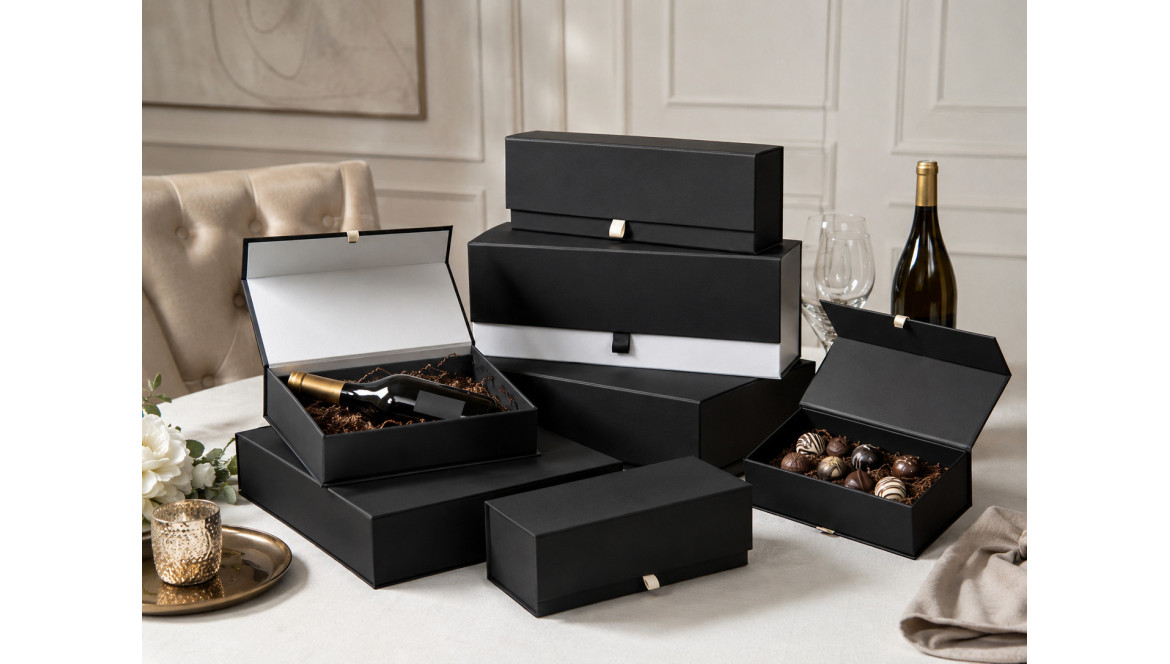
Eco-Friendly Packaging for Small Businesses: What to Choose?
Customers notice packaging. They notice when it feels excessive, when it is difficult to recycle, when a tiny product arrives in a box large enough to host a board meeting, and when the material does not match the values a brand claims to support.
That is why eco-friendly packaging for small businesses matters in 2026. It is no longer just a decorative marketing promise. For boutiques, e-commerce brands, event organisers, gift shops, beauty brands, food retailers and startups, packaging choices affect customer trust, product presentation, shipping efficiency and brand perception.
The challenge is that “eco-friendly” can become vague very quickly. One supplier says recyclable. Another says recycled. Another says sustainable, which sometimes means something useful and sometimes means someone in marketing had a peaceful afternoon. Small businesses need clear, practical options: recyclable paper packaging, FSC-certified paper bags, reusable bags, kraft packaging and packaging accessories that reduce unnecessary waste without making operations more complicated.
The good news is that eco packaging does not have to be difficult. You can build a cleaner, more responsible packaging system with ready-to-use paper bags, cardboard boxes, tissue paper, reusable bags and practical accessories. The key is choosing materials that suit your products, your budget and your customers.
This guide explains what eco-friendly packaging means, which options are useful for small businesses, how to communicate sustainable packaging clearly and how to choose better packaging without adding unnecessary complexity.
What Does Eco-Friendly Packaging Mean?
Eco-friendly packaging is packaging designed to reduce environmental impact compared with less responsible alternatives. That can mean different things depending on the material, production process, recyclability, reusability, weight, source and end-of-life handling.
For small businesses, the most practical definition is simple: choose packaging that protects the product properly, avoids unnecessary waste, uses responsible materials where possible and can be reused or recycled by the customer.
Recyclable Packaging
Recyclable packaging is designed so customers can place it in the appropriate recycling stream after use. Paper bags, cardboard boxes and many types of paper-based packaging are common recyclable options.
Recyclability depends on local systems, coatings, contamination and mixed materials. A plain cardboard box is usually easier to recycle than packaging made from several bonded materials that cannot be separated.
Recycled Content
Packaging made with recycled content uses material that has already been processed and reused. This can reduce the need for virgin materials. Kraft paper and cardboard packaging may include recycled fibres depending on the product specification.
For small businesses, recycled paper packaging can support a more responsible packaging approach while keeping the look natural and practical.
FSC-Certified Paper
FSC certification refers to paper and wood-based materials sourced from responsibly managed forests. For shops that use paper bags, boxes or tissue paper, FSC-certified packaging can help support a more responsible sourcing message.
This is especially useful for brands that want to communicate clearly and avoid vague environmental claims.
Reusable Packaging
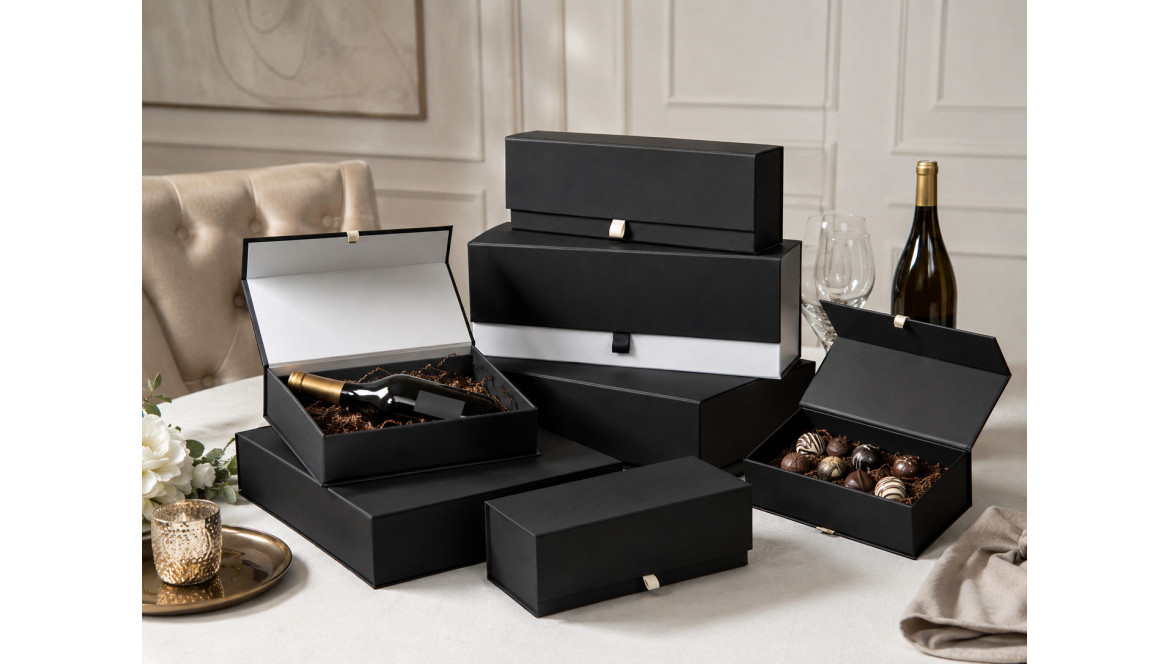
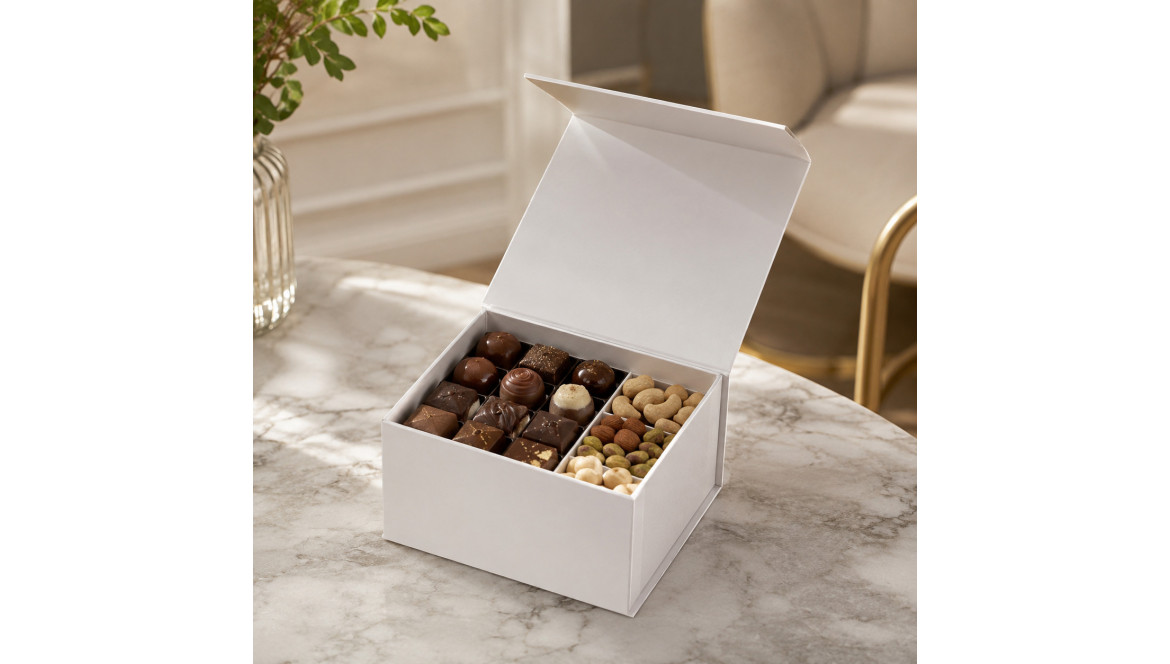
Reusable packaging is designed to be used more than once. Strong paper bags, cotton bags, non-woven bags, rigid boxes and magnetic boxes may be kept by customers for storage, gifting or daily use.
Reuse can extend the life of packaging and reduce single-use behaviour.
Lightweight and Right-Sized Packaging
Eco-friendly packaging is not only about material. Size matters too. A recyclable box that is three times too large still wastes material and shipping space. Right-sized packaging helps reduce filling material, transport volume and unnecessary cost.
So yes, measuring products is environmental action now. Society has become strange, but this one is useful.
Recyclable Paper Packaging
Recyclable paper packaging is one of the most practical choices for small businesses. It is widely used, easy to understand and suitable for many retail and e-commerce applications.
Paper bags, cardboard boxes, paper filling, tissue paper and paper sleeves can help businesses reduce reliance on harder-to-recycle packaging materials.
Paper Bags for Retail
Paper bags are a strong option for boutiques, gift shops, bakeries, bookstores, cosmetic shops, florists and event sellers. They are practical, easy to store and suitable for many product types.
A paper bag can be used for jewellery, accessories, clothing, cosmetics, gift boxes, stationery, candles and small homeware. It also gives customers a clean way to carry purchases out of the shop.
Kraft paper bags create a natural look. White paper bags feel clean and minimal. Coloured paper bags can be used for campaigns or brand identity while still keeping a paper-based packaging approach.
Cardboard Boxes for E-Commerce
Cardboard boxes are useful for online orders because they provide structure and protection. They are suitable for cosmetics, candles, gift sets, books, accessories, stationery, homeware and fragile products when combined with suitable filling.
For e-commerce brands, cardboard boxes help protect products during transport while offering a recyclable outer layer. They can also be paired with tissue paper and stickers to create a better unboxing experience.
Paper Filling and Wrapping
Paper filling can help stabilise products inside boxes. Tissue paper can wrap products, protect surfaces and improve presentation. These paper-based accessories are useful alternatives to excessive plastic materials for many product categories.
For fragile items, paper protection must be chosen carefully. The product should not move inside the box, and delicate surfaces should be protected from scratches.
Avoid Overpackaging
Recyclable packaging still creates waste if overused. A better approach is to choose the right box size, use only the filling required and avoid unnecessary layers.
A small candle does not need to arrive wrapped like a royal artefact being transported across unstable terrain. Protect it properly, yes. Build it a palace, no.
Best Uses for Recyclable Paper Packaging
Recyclable paper packaging is especially useful for:
- Retail shops
- E-commerce parcels
- Gift packaging
- Cosmetics
- Fashion accessories
- Candles
- Stationery
- Food-safe outer packaging where appropriate
- Event gifts
- Click-and-collect orders
It is flexible, familiar and easy for customers to understand.
FSC-Certified Paper Bags
FSC-certified paper bags are a practical choice for businesses that want paper-based retail packaging with a clearer sourcing message. They work well for shops that care about responsible materials but still need packaging that is attractive, strong and easy to use.
For boutiques and retailers, paper bags are often used daily. Choosing FSC-certified options can help align packaging with a more responsible brand image.
Why FSC Certification Matters
FSC certification helps show that the paper material comes from responsibly managed sources. For customers, this is easier to understand than vague claims such as “green” or “planet-friendly.”
Clear certifications help brands communicate more confidently and avoid making claims they cannot support.
Shops That Benefit From FSC-Certified Bags
FSC-certified paper bags are useful for:
- Fashion boutiques
- Jewellery shops
- Beauty salons
- Gift shops
- Organic and natural brands
- Concept stores
- Florists
- Bookstores
- Event sellers
- Premium retail shops
They are especially suitable when customers expect the brand to make thoughtful packaging choices.
Choosing the Right Size
A sustainable packaging choice still needs to fit the product. Small bags are best for jewellery, vouchers, cosmetics and accessories. Medium bags work well for gifts, candles, books and folded products. Large bags are better for clothing, boxes and premium retail purchases.
Correct sizing helps reduce waste and improves presentation.
Handle Options
Twisted-handle paper bags are practical for everyday retail use. Rope-handle paper bags feel more premium and work well for luxury shops, gift packaging and event packaging.
The choice depends on your brand positioning and product value.
Finishing the Bag
FSC-certified paper bags can be paired with tissue paper, stickers, tags or ribbons. This allows businesses to create a branded look without requiring fully custom-printed packaging.
A kraft paper bag with white tissue paper and a black sticker can feel natural and professional. A white paper bag with coloured tissue paper can feel elegant and boutique-ready.
Reusable Bags
Reusable bags are a strong option for businesses that want packaging customers can keep and use again. They are especially useful for fashion stores, lifestyle brands, events, trade fairs, boutiques and promotional campaigns.
Reusable packaging can create longer brand visibility because customers may carry the bag multiple times.
Why Reusable Bags Work
A reusable bag has a longer life than a single-use carrier. If the bag is practical, attractive and strong enough, customers may use it for shopping, travel, storage or everyday errands.
This makes reusable bags both packaging and a brand object. A well-designed reusable bag can stay with the customer long after the first purchase.
Cotton Bags
Cotton bags are popular for boutiques, events, lifestyle brands and eco-conscious retail. They have a soft, natural feel and are suitable for repeated use.
They work well for clothing, accessories, books, gifts, wellness products and event materials. Cotton bags can also feel more premium than a basic carrier bag.
Non-Woven Bags
Non-woven bags are lightweight, reusable and practical for retail and events. They are suitable for trade fairs, corporate events, promotional kits, shopping and general retail purchases.
They are often chosen when businesses need reusable packaging in manageable quantities for campaigns or events.
Reusable Bags for Events
Events often need bags for welcome packs, samples, catalogues, gifts and promotional materials. Reusable bags are useful because guests can continue using them after the event.
This is better than handing people a pile of brochures and hoping they develop extra arms.
Buying Considerations
When choosing reusable bags, consider strength, size, handle length, material feel and intended use. A bag for fashion retail may need a different style from a bag for trade fair documents.
Reusable bags should be practical enough to justify keeping. If the bag is weak, awkward or unattractive, customers are less likely to reuse it.
Kraft Packaging
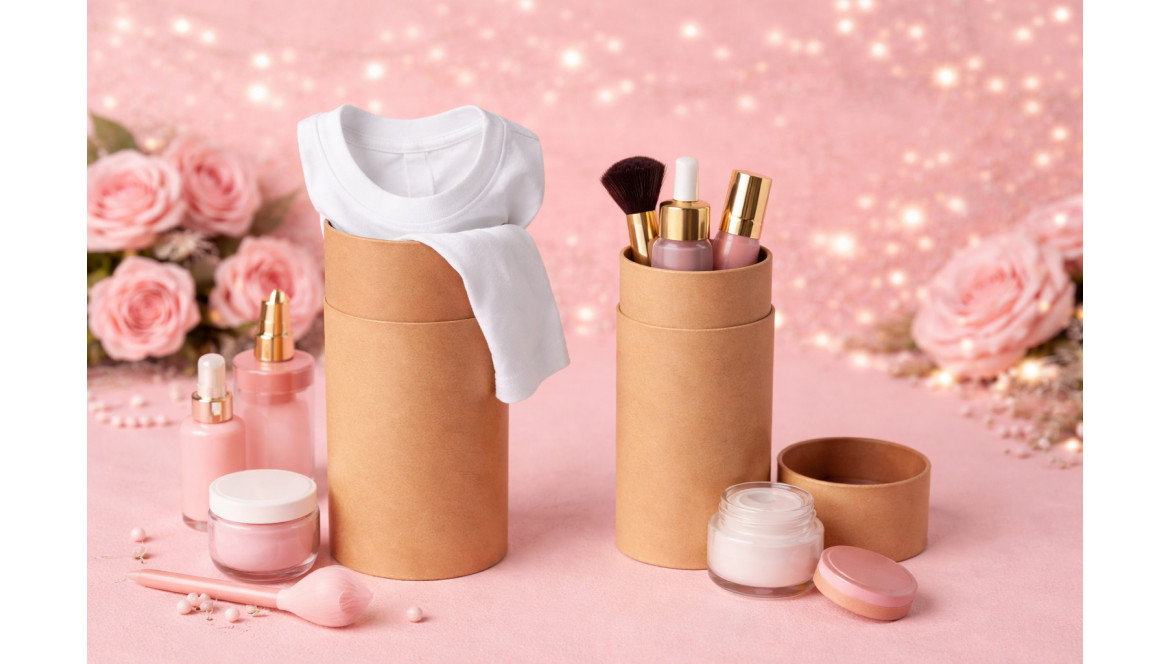
Kraft packaging is one of the most recognisable eco-style packaging options. It has a natural brown appearance and works well for brands that want a simple, authentic and paper-based look.
Kraft packaging is widely used for paper bags, cardboard boxes, sleeves, wrapping, envelopes and gift packaging.
Why Kraft Packaging Is Popular
Kraft packaging feels natural without needing much decoration. It is associated with handmade products, local brands, organic cosmetics, candles, stationery, food gifts and artisan products.
It also pairs well with many colours. White tissue paper, black stickers, natural twine, beige ribbon and simple tags all work beautifully with kraft packaging.
Kraft Paper Bags
Kraft paper bags are useful for retail shops, market sellers, bakeries, florists and boutiques. They are practical, recognisable and easy to combine with simple branding details.
A kraft bag with a branded sticker can look professional without requiring printed bags. Add tissue paper for a more premium feel.
Kraft Boxes
Kraft boxes are useful for e-commerce, gifts, product sets and retail packaging. They can feel natural and understated while still giving products structure.
For brands that sell handmade goods, candles, soaps, organic cosmetics or stationery, kraft boxes often match the product identity well.
Kraft Packaging for E-Commerce
Kraft shipping boxes can create a simple and eco-conscious impression. Inside, tissue paper and a sticker can improve the unboxing experience.
The result feels clean, responsible and not overdesigned, which is sometimes exactly what customers want.
When Kraft May Not Be the Best Choice
Kraft packaging does not fit every brand. Luxury jewellery, high-end cosmetics or premium corporate gifts may need white, black or coloured packaging for a more refined look.
Kraft is excellent for natural, handmade and simple brands. It is less ideal when the desired image is glossy, ultra-luxury or highly decorative.
Packaging should match the product, not just the trend.
How to Communicate Sustainable Packaging to Customers
Choosing better packaging is only part of the work. You also need to communicate it clearly. Customers appreciate honest information, but they are increasingly sceptical of vague sustainability language.
The goal is to be clear, specific and practical.
Use Simple Claims
Instead of saying “eco-friendly packaging,” explain what makes it better. For example:
- “This paper bag is recyclable.”
- “This box is made from FSC-certified paper.”
- “This packaging can be reused.”
- “Please recycle this cardboard box after use.”
- “We use right-sized packaging to reduce unnecessary material.”
Specific claims feel more credible than broad promises.
Avoid Greenwashing
Greenwashing happens when a brand makes environmental claims that are vague, exaggerated or unsupported. Small businesses should avoid phrases that sound impressive but do not explain anything.
Words like “sustainable,” “green” or “planet-friendly” should be supported by clear information. Otherwise, customers may not trust them.
And frankly, “eco-conscious vibes” is not a material specification. Tragic but true.
Add Information on Packaging
A small card, label or website note can explain your packaging choices. For e-commerce orders, a short message inside the parcel can help customers understand how to recycle or reuse the packaging.
For retail, signage near checkout can explain that your bags are recyclable, reusable or FSC-certified if applicable.
Encourage Reuse
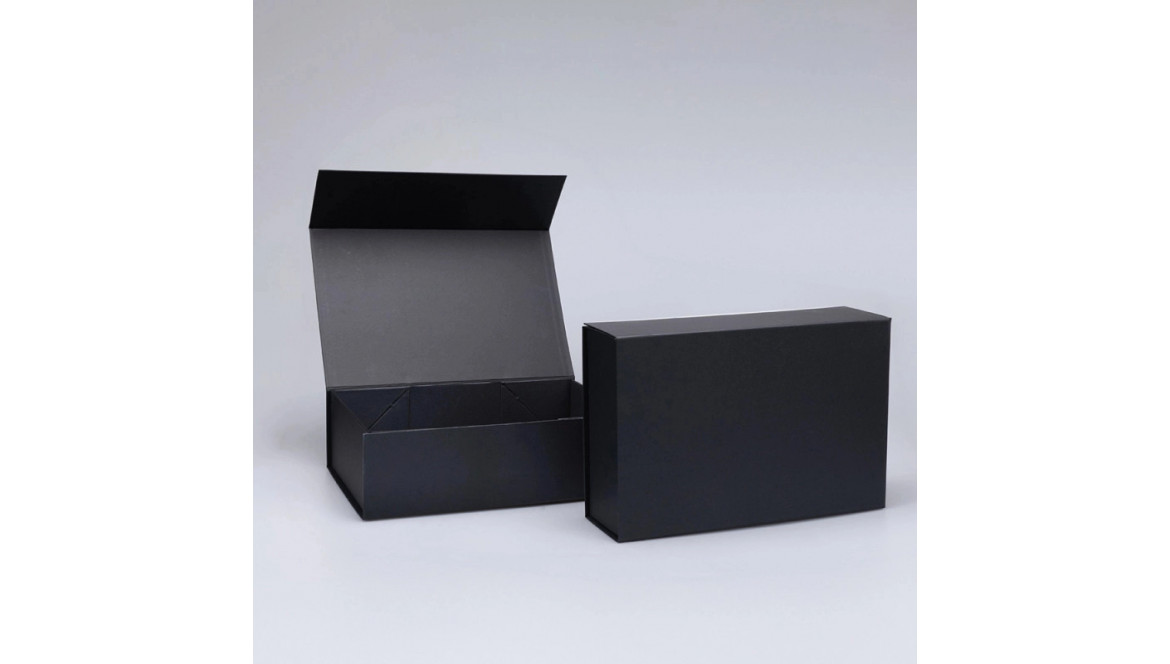
If your packaging can be reused, say so. Rigid boxes, magnetic boxes, cotton bags and strong paper bags may be reused by customers.
A simple note such as “Reuse this bag for your next shop visit” or “Keep this box for storage or gifting” can encourage better behaviour.
Give Recycling Instructions
If the packaging is recyclable, make it easy for customers to know what to do. Avoid complicated instructions unless necessary.
Simple recycling guidance improves the chance that customers dispose of packaging correctly.
Choosing Eco Packaging Without Increasing Complexity
Eco-friendly packaging should make your business better, not slower, messier or more expensive than it needs to be. The best packaging system is one your team can actually use every day.
Small businesses need practical solutions. If the packaging is too complicated, staff will struggle, packing time will increase and the customer experience may become inconsistent.
Start With Your Main Packaging Needs
Identify your most common packaging situations:
- Retail purchases
- E-commerce orders
- Gift packaging
- Fragile products
- Event packaging
- Click-and-collect orders
- Seasonal campaigns
Then choose eco packaging options that fit those needs.
Keep the Range Simple
You do not need twenty bag sizes and twelve box formats at the beginning. Start with practical sizes that cover most products.
For example:
- Small paper bags for accessories
- Medium paper bags for gifts and daily purchases
- Large paper bags for clothing
- Shipping boxes for e-commerce orders
- Tissue paper for presentation
- Stickers for branding
A simple system is easier to manage and restock.
Use Accessories Strategically
Tissue paper, stickers, tags and ribbons can make standard packaging feel more premium. They also allow you to adjust packaging for seasons or campaigns without changing the entire base.
This is useful for small businesses that want flexibility without custom production.
Balance Protection and Sustainability
Do not reduce protection so much that products arrive damaged. A broken product usually creates more waste because it may need to be replaced and shipped again.
Eco packaging must still do its main job: protect the product.
Test Before Scaling
Before ordering larger quantities, test the packaging with real products. Check fit, strength, presentation and packing speed.
This avoids mistakes such as bags that are too weak, boxes that are too large or tissue paper that does not suit the product.
How to Choose the Right Eco-Friendly Packaging
Choosing the right eco-friendly packaging means balancing material, product protection, customer expectations, budget and daily operations.
1. Start With the Product
The product should determine the packaging. Fragile items need strong protection. Clothing may need bags or boxes. Gift products need better presentation. Cards and vouchers need smaller formats.
Do not choose packaging only because it looks eco-friendly. It must fit and protect the product.
2. Choose the Right Material
Paper bags, cardboard boxes, kraft packaging, tissue paper and reusable bags are practical options for many small businesses.
Choose recyclable paper packaging where possible. Use reusable bags when customers are likely to keep them. Choose FSC-certified paper products when sourcing transparency matters to your brand.
3. Set a Realistic Budget
Eco packaging should fit your margins. Some options may cost more, while others are affordable and widely available.
A good approach is to use simple recyclable packaging for regular orders and premium reusable or gift packaging for higher-value products.
4. Consider Storage and Packing Speed
Packaging must be easy to store and use. Flat-packed boxes, stackable paper bags and simple accessories are practical for small spaces.
If packaging takes too long to prepare, it may slow down your team.
5. Match the Customer Experience
A customer buying premium cosmetics may expect a more refined presentation than someone buying a simple refill product. Eco packaging can still look premium with the right colours and finishing details.
6. Avoid Common Mistakes
Common mistakes include overpacking, using vague sustainability claims, choosing weak packaging, buying too many formats and ignoring product fit.
The best eco packaging is practical, clear and consistent. It should reduce unnecessary waste without creating new problems. Humanity has enough of those already.
Conclusion
Eco-friendly packaging for small businesses is about making better, more practical choices. It does not mean choosing one perfect material or turning every parcel into a sustainability manifesto. It means selecting packaging that protects products, reduces unnecessary waste, supports responsible sourcing where possible and gives customers clear information.
Recyclable paper packaging, FSC-certified paper bags, reusable bags and kraft packaging are all useful options for boutiques, e-commerce brands, event organisers, gift shops and startups. Tissue paper, stickers and simple accessories can complete the presentation without making the packaging system too complex.
The smartest approach is to start with your products, choose the right size, avoid overpacking, use clear sustainability messages and keep the process manageable for your team.
Centuryshop offers practical packaging options for small businesses that want ready-to-use boxes, paper bags, reusable bags and accessories in manageable quantities. Explore the range to build packaging that looks professional, supports your brand and helps customers make more responsible choices.
FAQ Section
1. What is eco-friendly packaging?
Eco-friendly packaging is packaging designed to reduce environmental impact. It may be recyclable, reusable, made from recycled content, FSC-certified or designed to reduce unnecessary material.
2. What packaging is best for small businesses?
The best packaging depends on the product. Paper bags, cardboard boxes, kraft packaging, tissue paper and reusable bags are practical options for many small businesses.
3. Are paper bags eco-friendly?
Paper bags can be a more responsible option when they are recyclable, reusable or made from responsibly sourced paper. Choosing the right size also helps reduce waste.
4. What does FSC-certified packaging mean?
FSC-certified packaging uses paper or wood-based material from responsibly managed sources. It gives businesses a clearer way to communicate responsible sourcing.
5. Is kraft packaging recyclable?
Many kraft paper bags and kraft cardboard boxes are recyclable, depending on coatings, adhesives and local recycling systems. Plain kraft packaging is often easier to recycle than mixed-material packaging.
6. Are reusable bags better than paper bags?
Reusable bags can be better when customers use them many times. Paper bags are useful for recyclable, practical retail packaging. The better choice depends on use, material and customer behaviour.
7. How can I make packaging more sustainable without custom packaging?
Use recyclable paper bags, cardboard boxes, kraft packaging, tissue paper, stickers and reusable bags. Choose the right size and avoid unnecessary layers.
8. How should I tell customers about eco packaging?
Use clear, specific language. Say whether packaging is recyclable, reusable, FSC-certified or right-sized. Avoid vague claims that are not supported.
9. Is eco-friendly packaging expensive?
Not always. Many paper bags, kraft boxes and recyclable packaging products are available in practical quantities. Costs depend on material, size, finish and quantity.
10. What is the biggest mistake with eco packaging?
The biggest mistake is focusing only on the material and forgetting product protection. If the product arrives damaged, the packaging has failed and may create more waste.
Create Practical Eco-Friendly Packaging for Your Business
Explore Centuryshop’s paper bags, recyclable boxes, reusable bags and packaging accessories to create practical eco-friendly packaging for your business.
Explore Eco-Friendly Packaging
.png)
.png)
Comments
No comment at this time!
Leave your comment